
Fayette County Arrest Warrants Explained
An arrest warrant is a judge's order to take someone into custody. It rests on a sworn complaint or affidavit that a magistrate has reviewed for probable cause. Fayette County publishes no sheriff warrant list you can count on, so work from the court and the case type instead of a general web search. The District Clerk files felony criminal, family, and juvenile district cases. Four JP precincts and the city municipal courts handle other matters locally. The sheriff runs county incarceration but is not the clerk for every warrant issued.
Fayette County JPs Issue Felony Warrants
Fayette County's Justice of the Peace page says JPs act as magistrates and issue both felony and traffic warrants. That does not put every felony file in a JP's hands. Felony matters run through the 155th Judicial District Court, with filing at the District Clerk. So always ask which court issued the process and where the case lives. The county's Justice page lists the four precinct offices: Precinct 1 in La Grange, Precinct 2 in Fayetteville, Precinct 3 in Flatonia, and Precinct 4 in Schulenburg. Call the precinct named on your notice.
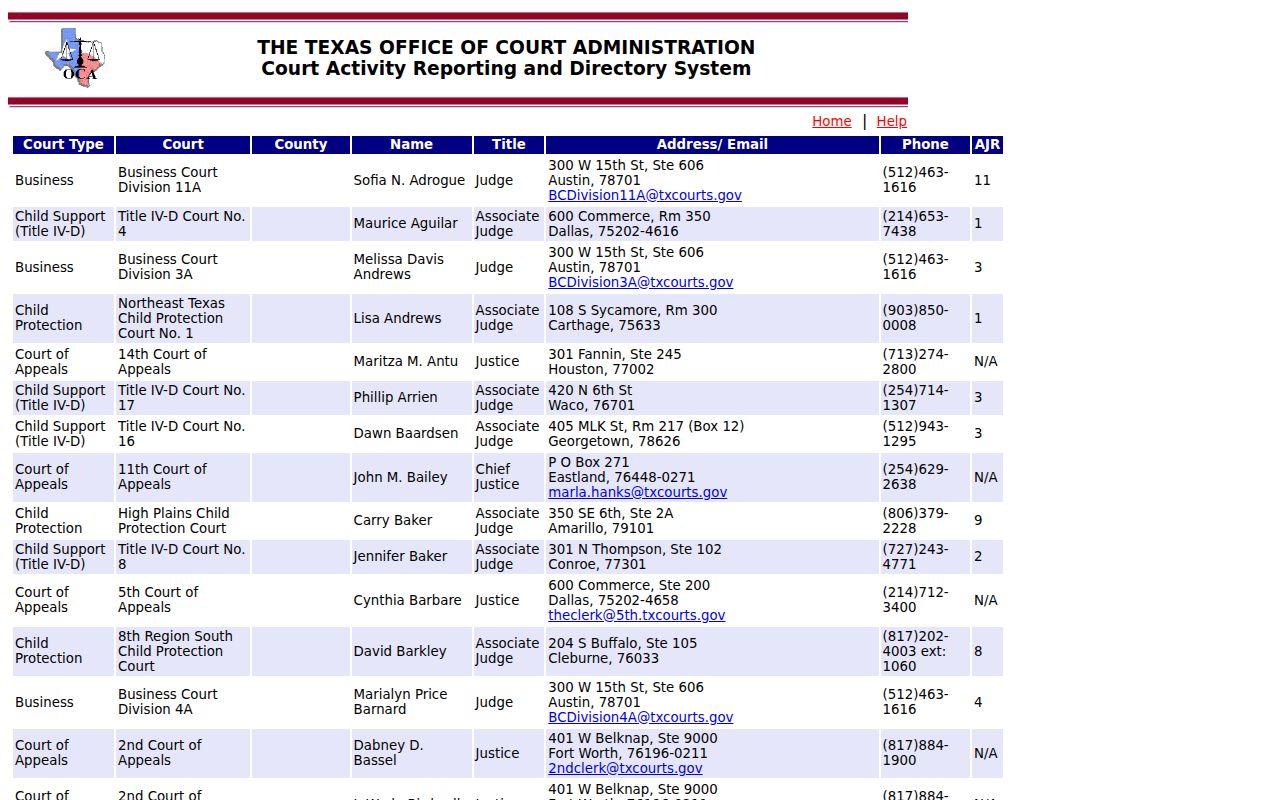
The state court directory lists each Fayette County court's contacts separately. It is a directory, not a warrant search.
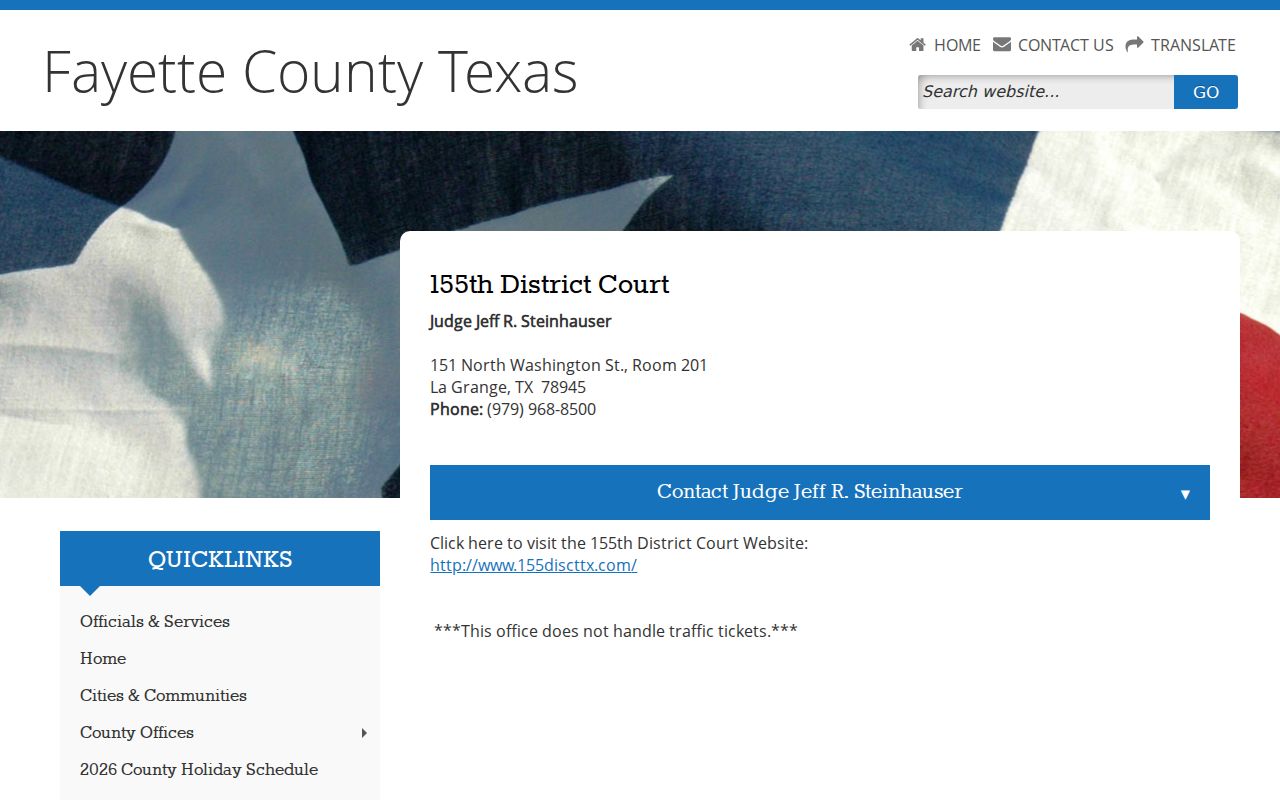
Inside a Fayette County Arrest Warrant
Fayette County offices publish no standard warrant number format and no public result schema. When you call about a case, ask for the identifiers and status the office can confirm. A name match alone may not separate two records.
| Issuing court and judge | The office that authorized the process and controls recall or other relief. |
|---|---|
| Cause number | The court case identifier; local formatting was not found. |
| Charge | The offense or reason tied to the court process. |
| Issue and service status | Ask whether it is active, served, recalled, or quashed. |
| Bond or hold | Ask about type, amount, and any no-bond condition. No countywide schedule is posted. |
Do not expect a Fayette County public record to show a full birth date, an address, a photograph, or every case detail.
Fayette County Warrant Service by Constables
Fayette County's constable page says each constable executes and returns every process, warrant, and precept directed to that office by a lawful officer. The county lists four constables with precinct contacts. That page explains their role in general terms; it does not say who serves a particular person's warrant. The sheriff covers rural law enforcement and county incarceration. City police may receive or serve city process. So ask the issuing court or the sheriff which agency holds the current papers, then use the listed official contact. A constable's process-service page is not a warrant roster. The county constables page gives the office map and the process explanation.
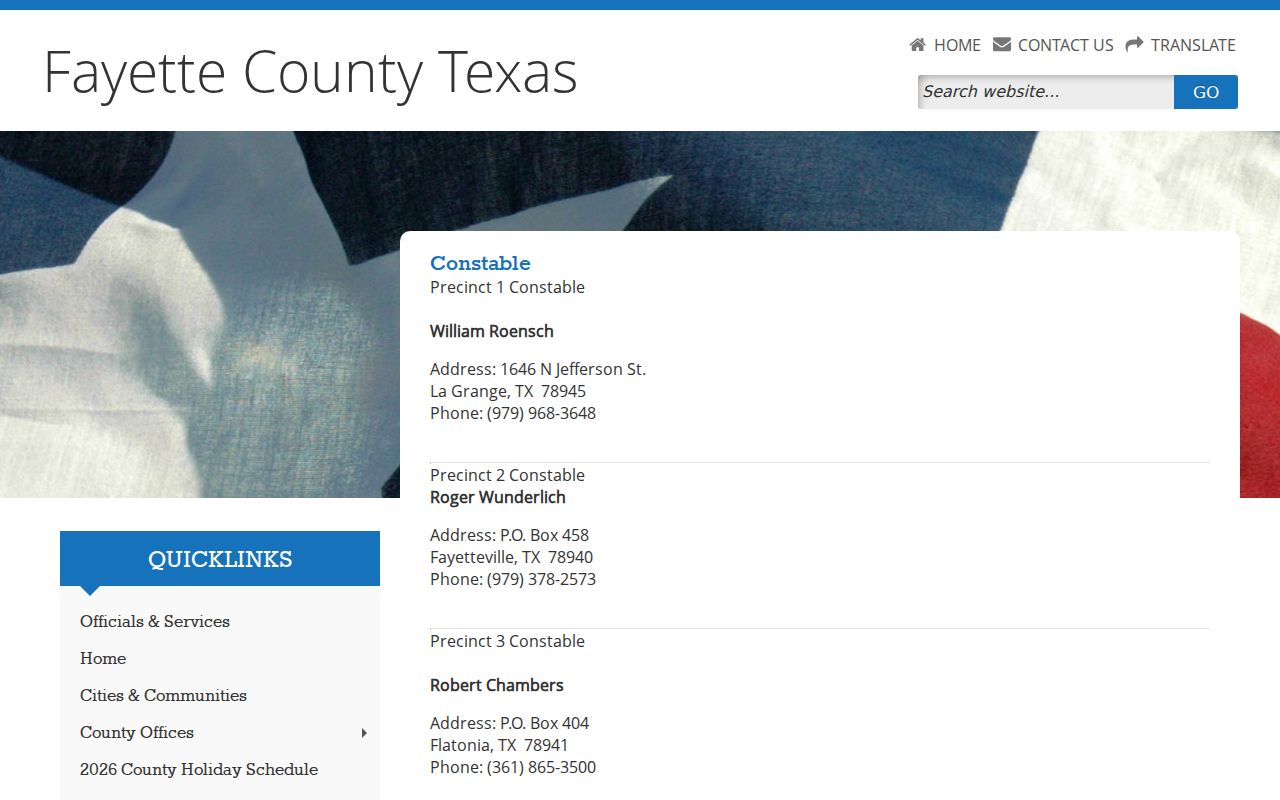
Each Fayette County constable serves the process directed to that office. Relief in the case still comes from the issuing court.
Serving Arrest Warrants in Fayette County
Depending on the court and the matter, the sheriff, a constable, city police, or another authorized peace officer may serve process in Fayette County. The county says its sheriff incarcerates people arrested in Fayette County and dispatches for several local agencies. The arresting agency and the court clerk play different roles. Texas law requires an officer to make the authority for an arrest known. If the warrant is not carried at the time, it should be shown on request as soon as possible. No Fayette-specific magistration time or booking schedule is published, so do not lean on a guessed 24- or 48-hour rule. The Code of Criminal Procedure, Chapter 15 sets out the state arrest-warrant process.
Use the statute for the general rule and the court for case-specific instructions.
Fayette County Federal Warrants Need Another Check
A clean Fayette County result tells you nothing about a federal warrant. Fayette County sits in the Western District of Texas. Federal cases run on a separate docket with a separate serving authority, and some filings may be sealed or never appear as a simple public warrant entry. The U.S. District Court for the Western District of Texas offers federal court resources. The U.S. Marshals district page covers the federal fugitive and warrant role. PACER is a docket access service, not a complete warrant confirmation line.
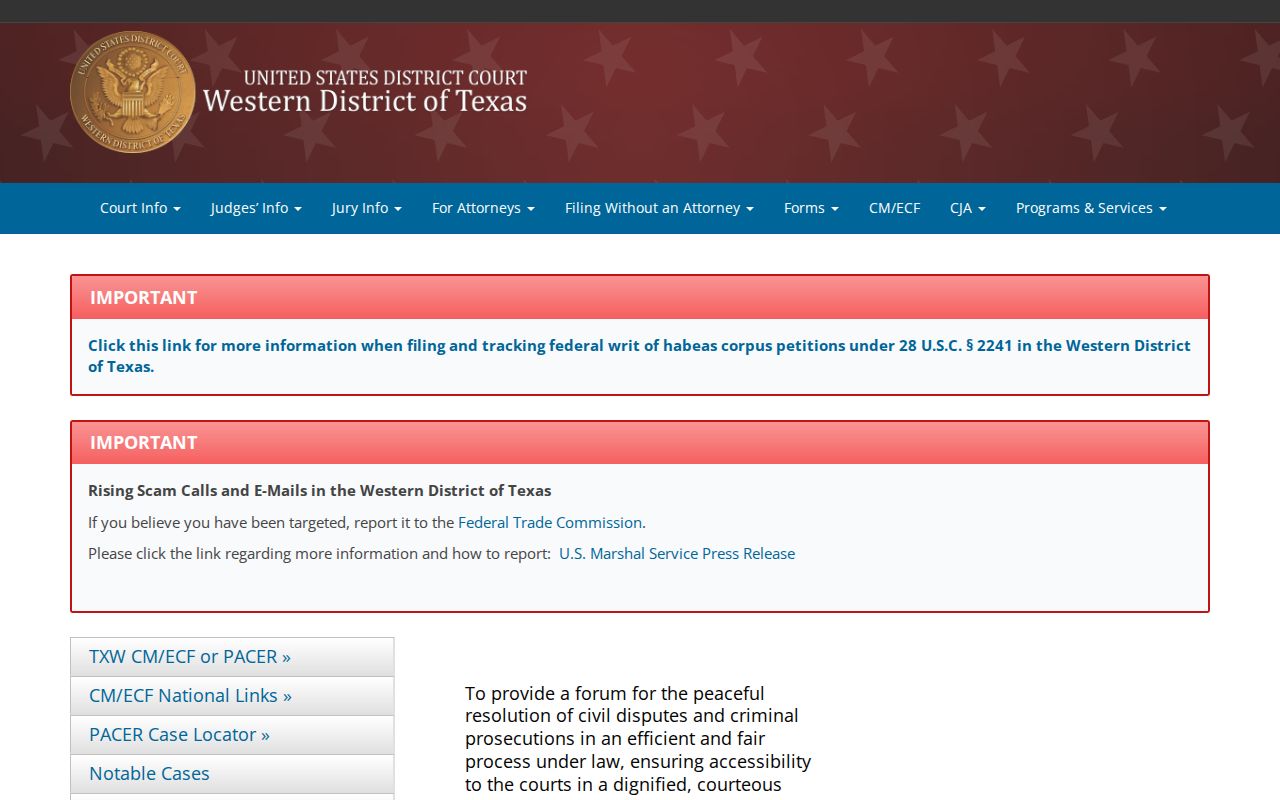
Use federal channels for a federal case. County clerks cannot clear that process.
Comparing Arrest, Summons, and Bench Warrants
These three terms describe different ways a Fayette County case moves. An arrest warrant authorizes custody. A summons orders a person to appear without taking them into custody first. A bench or failure-to-appear process follows a missed court obligation. The notice you hold and the issuing court decide the next step.
| Type | Why it may issue | Fayette first route |
|---|---|---|
| Arrest warrant | Probable-cause finding and court order | Issuing judge, then sheriff or serving agency |
| Summons | Notice to appear in a case | Court listed on the paper |
| Bench / FTA process | Missed appearance or court instruction | JP, municipal, County, or District Court that set the date |
The word “bench” does not by itself tell you the case type or bond.
Fayette County Executed Warrant Papers Become Public
Article 15.26 makes an arrest warrant and its supporting affidavit public information the moment the warrant is executed, subject to other law. That rule does not build you a searchable Fayette County roster. Ask the magistrate's clerk or the issuing court for a copy and any access limit.
Access note: Juvenile arrest warrants and their supporting papers are confidential under Texas Family Code Section 58.010, except for authorized recipients.
A sealed or unexecuted record may carry a different access status. A public-record request to the Fayette County sheriff also differs from a judicial-record request to a clerk or judge.
Fayette County Arrest Warrant: Your Next Steps
Do not wait for a traffic stop to learn what is on file. Have a lawyer contact the issuing court and review the case. The court may require a voluntary appearance, bond, a reset, a recall or quash motion, or some other step. The sheriff's main line, (979) 968-5856, is the custody route for Fayette County, not a substitute for court relief.
Important: Before surrendering, ask counsel and the issuing court about the time, place, bond terms, and any signed order needed.
The Fayette County warrant overview walks through the wider court and resolution routes. Keep every receipt, case date, and written order in one place.
Fayette County Custody and Case Records Differ
Custody and case records answer different questions. After an arrest, the Justice Center jail can tell you who is in custody and when booking happened. The case itself belongs to the issuing court alone. Only that court handles a recall, a plea, or the next court date, so treat the jail roster as a custody record and nothing more. One caution on numbers: a jail page sometimes lists contacts that conflict with the Texas sheriff's 979-area-code number, so call the current sheriff contact and verify every bond instruction before you travel or pay anyone. Fayette County publishes no bond schedule, no walk-in surrender hour, and no bond portal, so ask the clerk directly whether the court wants a clerk certificate or a judge's order before money moves. If a hold traces to another state or a federal agency, write down that agency's name. Then talk with counsel. That hold runs on its own separate process from the Fayette County warrant.